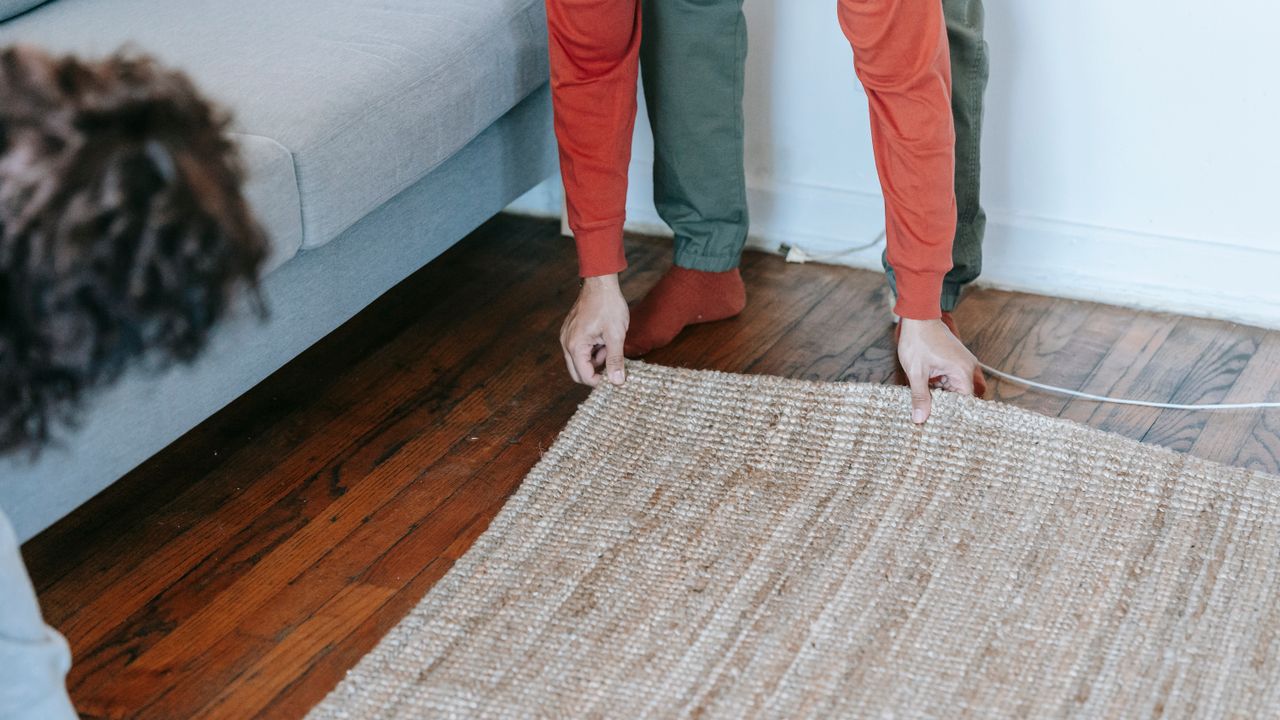
Kitchen and Bathroom Floor Fitting in Ipswich, and Every Other Room
Before we carry out kitchen and bathroom floor fitting in Ipswich, or fit any other room, customers usually ask the same thing: which floor should I buy? This guide takes you through a house room by room, then through the things that decide it: pets, children, moisture, noise, heating and budget.
- Fitting only: buy your floor from any shop
- Subfloor checked before we quote
- Written, itemised quote

The right floor, room by room
| Room | Works well | Think twice about |
|---|---|---|
| Kitchen | LVT, sheet vinyl | Carpet, solid wood. Laminate unless it is a water-resistant range |
| Hallway | LVT, engineered wood, good laminate, hard-wearing twist carpet | Soft, light-coloured finishes that show grit |
| Living room | Carpet, engineered wood, LVT, laminate, herringbone | Very thin vinyl over an uneven subfloor |
| Dining room | Engineered wood, LVT | Pale carpet under a dining table |
| Bedroom | Carpet, laminate, engineered wood | Nothing ruled out. Consider noise for rooms below |
| Stairs and landing | Carpet, in a dense twist or nylon blend | Deep saxony and loop piles on stairs |
| Home office | Laminate, LVT, carpet tiles | Soft wood finishes under castor chairs |
| Bathroom and utility | Sheet vinyl, LVT rated for wet areas | Carpet, laminate and all real wood |
| Conservatory | LVT rated for temperature swings | Solid wood |
Product ranges differ. We check the manufacturer’s guidance for the exact floor you choose.
- Bedroom carpetWarm and quiet over the rooms below
- Underlay on chipboardTypical first floor in a modern house
- Hallway LVTTakes grit, wet shoes and claws
- Smoothing compoundGlue-down floors need a flat base
- Concrete ground floorTested for moisture first
Kitchens
Kitchens get water, grease and dropped pans. LVT handles all three and looks like timber or stone. Sheet vinyl costs less and has almost no joins for water to find.
Bathrooms
Bathrooms rule out more floors than any other room. Water sits on the surface, steam gets everywhere and the floor has to be cut tightly around a toilet, basin and bath. Sheet vinyl is the classic answer: one piece, almost no joins, warm underfoot and inexpensive. LVT rated for wet areas gives a more convincing tile or wood look and can be sealed at the edges. Laminate, carpet and real wood do not belong here. Whatever goes down, the subfloor is checked for old leaks first, because chipboard around a bath or toilet is often swollen and has to be replaced.
Hallways and landings
The hallway takes every shoe in the house. Choose a hard-wearing surface with some texture and a mid-tone colour. A good doormat protects any floor.
Living and dining rooms
This is where real timber earns its cost. Engineered wood gives the grain and warmth of oak with better stability. A herringbone pattern turns the floor into the main feature of the room.
Bedrooms and home offices
Carpet is still the first choice for most bedrooms: warm, quiet and soft first thing in the morning. Laminate is the value hard-floor option: light traffic, no water, quick to fit. Upstairs, an acoustic underlay reduces footfall noise in the room below.
Stairs
Carpet is the safest and quietest stair covering, and stairs are where fitting skill shows most. Choose a dense twist over firm underlay. Hard flooring on stairs needs a nosing on each step and careful cutting.
Flats and apartments
Many leases require sound insulation under hard floors, and some ban them above ground level. Check your lease or ask your managing agent before ordering. We can specify an acoustic underlay to meet a stated requirement.
What should decide your choice
Pets
Claws scratch, and accidents happen. LVT resists both best. Textured laminate hides marks well. Real wood will pick up scratches, which some owners accept as character and others do not. For carpet, choose a cut-pile twist in a stain-resistant fibre and avoid loops, which claws can pull.
Children
Look for easy cleaning and some give underfoot. LVT and cushioned vinyl are forgiving. Avoid high-gloss finishes, which show everything.
Moisture
Vinyl floors cope with water on the surface. Laminate and wood do not like standing water, and no floor should go over a damp subfloor.
Underfloor heating
LVT and engineered wood are the usual choices. Each product has a temperature limit. Details are on the installation page.
Noise
Carpet is the quietest floor by a distance. Hard floors are louder, though underlay choice, rugs and felt pads make a large difference, especially upstairs.
Budget and lifespan
Sheet vinyl, laminate and synthetic carpet cost least. LVT and wool carpet sit in the middle. Engineered and solid wood cost most, and can be sanded and refinished instead of replaced. Think about cost per year of use, not only the quote.
Appearance
Plank width, colour tone and laying direction change how large a room feels. Wide, pale planks open up small rooms. Laying along the longest wall, or towards the main window, usually looks best.
More detail
One floor through several rooms
Running the same floor through a hallway, kitchen and living area makes a ground floor feel larger. It needs a material that suits the most demanding of those rooms, which usually points to LVT or engineered wood. Long runs of floating floor may need expansion breaks at doorways.
Landlords and rental properties
Rental floors need to be durable, quick to fit between tenancies and economical to replace. Sheet vinyl in kitchens and bathrooms, laminate or LVT in living areas, and a stain-resistant polypropylene carpet in bedrooms and on stairs is the usual specification. We quote per property or for several at once, and can collect keys from your agent.
How we help you choose
A consultation covers the rooms, how you use them, your subfloor and your budget. When you are ready for the practical side, read how flooring installation works.
Homes we work in
Victorian terraces with timber floors, inter-war semis, modern estate houses with concrete ground floors, and flats. Each brings a different subfloor. See how that plays out in Ipswich, Kesgrave, Martlesham and Woodbridge.
Questions from homeowners
What flooring is best for a busy household?
LVT. It resists water, scratches and stains, and damaged planks can often be replaced individually.
Which floor is easiest to maintain?
Sheet vinyl and LVT. Sweep, then mop with a suitable cleaner.
Is real wood practical with a dog?
Yes, if you accept wear marks. Choose a brushed, matt or oiled finish, which disguises scratches better than a smooth lacquer.
Can I have the same floor upstairs and down?
Yes. Upstairs floors are usually chipboard or boards, so preparation differs from a concrete ground floor.
Tell us about your flooring project
Send us the rooms, approximate sizes and the floor you have in mind. We will come back to you to arrange a survey.
01473936738