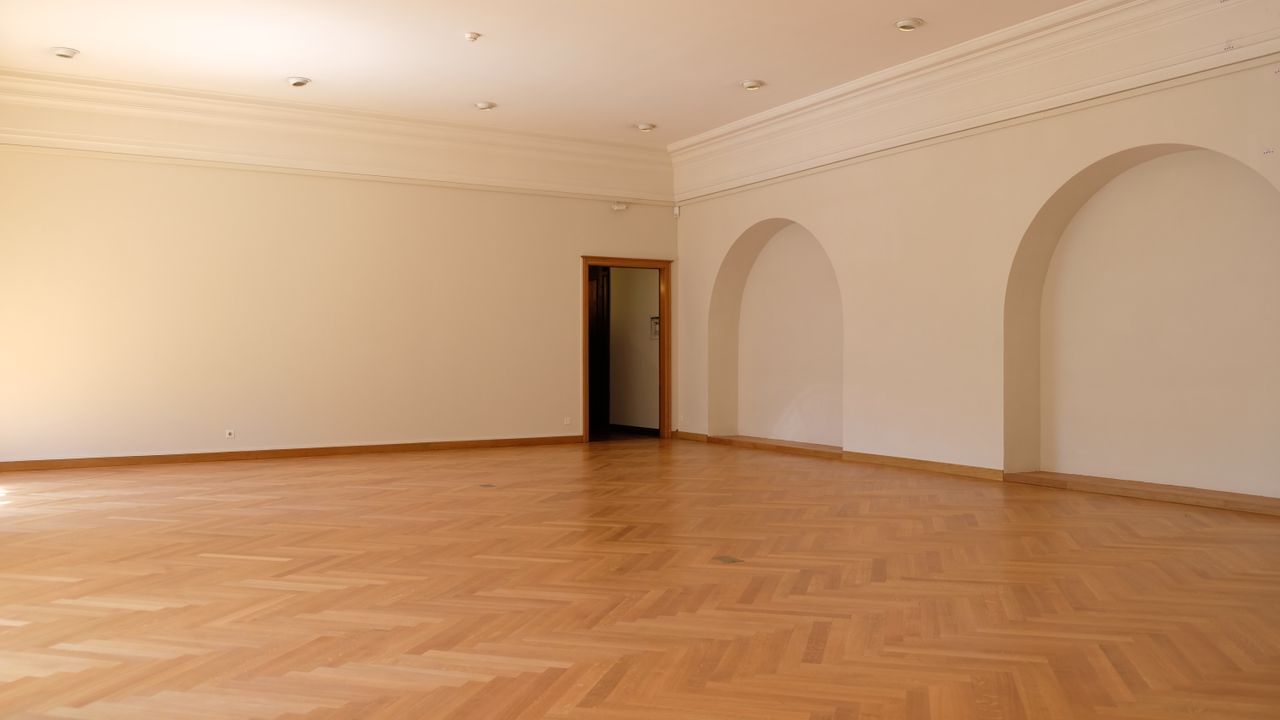
Wood Floor Fitters in Ipswich: Engineered and Solid Wood Flooring Installation
We are wood floor fitters in Ipswich, Woodbridge and east Suffolk, installing engineered and solid wood flooring. A real timber floor is the one floor that improves with age and can be renewed instead of replaced, and we help you choose the construction that suits your house before you buy.
- Fitting only: buy your floor from any shop
- Subfloor checked before we quote
- Written, itemised quote

Engineered wood or solid wood?
Both are real hardwood on the surface. The difference is what lies beneath.
| Engineered wood | Solid wood | |
|---|---|---|
| Construction | Real wood top layer bonded to a plywood or multi-layer core | One piece of timber, top to bottom |
| Stability | High. Cross-layered core resists movement | Moves more with humidity and temperature |
| Underfloor heating | Usually suitable, within product limits | Rarely recommended |
| Subfloors | Concrete, screed, boards, plywood | Best over timber or plywood |
| Fitting | Floated, glued or fixed | Glued or nailed |
| Refinishing | Can be sanded. How often depends on the top layer thickness | Can be sanded many times |
| Board widths | Wide boards are stable | Wide boards are more prone to cupping |
For most Suffolk homes, especially those with concrete ground floors or underfloor heating, engineered boards are the right answer. Solid timber suits period houses with timber subfloors where authenticity matters most.
Species, grade and colour
Oak is by far the most common choice in the UK, for its hardness, grain and the way it takes colour. Grade describes how much natural character shows. Prime grades are clean and even. Rustic grades show knots, colour variation and filled splits. Neither is better. They simply look different.
Plank width and length
Narrow boards suit smaller rooms and traditional houses. Wide, long boards suit larger, open rooms and show off the grain. Mixed-width floors give a reclaimed feel. Width also affects price, as wide boards come from larger, scarcer timber.
Finishes
- Lacquered: a sealed surface coating. Easiest to clean, most resistant to spills. Scratches sit in the coating and are harder to touch up.
- Oiled or hardwax-oiled: soaks into the timber for a natural, matt look. Needs re-oiling from time to time, and small areas can be repaired locally.
- Brushed: the soft grain is brushed out for texture, which hides wear well in busy homes.
- Smoked, stained or whitewashed: colour treatments applied before finishing.
Timber, humidity and movement
Timber takes in and gives out moisture with the seasons. Boards expand in humid summers and shrink when the heating is on. A good installation allows for that.
- Boards are delivered ahead of fitting and left in the house to acclimatise.
- Subfloor moisture is measured. New screeds can take months to dry enough.
- An expansion gap runs around the whole floor, hidden by skirting or beading.
- Wet trades such as plastering should be finished and dried out first.
Subfloor preparation
Timber needs a dry, flat and rigid base. Over concrete, a damp-proof membrane or moisture-suppressing primer may be required before gluing. Over floorboards, loose boards are fixed and plywood may be added. The fitting method is chosen to suit the product and subfloor. See moisture testing and subfloor preparation.
- Oil or lacquer finishDecides the look and the upkeep
- Hardwood top layerThe part you see, and the part that can be sanded
- Cross-ply coreResists movement with humidity
- Flexible adhesiveOr underlay, for a floating floor
- Damp-proof membraneWhere readings require it
- Concrete or screedMust be dry before timber goes down
Where it works, and where it does not
Timber is at its best in living rooms, dining rooms, hallways and bedrooms. It can work in a kitchen with a good finish and prompt wiping of spills. We do not recommend it for bathrooms or utility rooms. For those, LVT gives a timber look without the risk.
Herringbone and parquet in timber
Engineered and solid blocks can be laid in herringbone, chevron and other parquet patterns. Patterned floors have their own setting-out, preparation and cost questions, covered on our herringbone and parquet page.
More detail
Underfloor heating
Engineered boards are the usual choice. Manufacturers set limits on board thickness and surface temperature, commonly 27°C. Boards are generally glued down for best heat transfer. The heating is brought up slowly after fitting. We follow the guidance for the specific floor.
Care and refinishing
Sweep or vacuum with a soft brush. Clean with a barely damp mop and a cleaner suited to the finish. Keep grit out with doormats and protect the surface with felt pads. Oiled floors need a maintenance oil periodically. After many years a tired floor can be sanded and refinished, which is what makes timber the longest-lived floor we fit.
How it compares
Against LVT
Timber is natural, refinishable and adds character. Luxury vinyl is more water-resistant, lower in maintenance and lower in cost.
Against laminate
Laminate is a printed image of wood on fibreboard. It costs much less and resists surface scratches well, but cannot be refinished and has a shorter life.
What affects the cost
- Engineered or solid, and the thickness of the top layer
- Species, grade and board width
- Finish
- Fitting method: floating, glue-down or nailed
- Subfloor moisture treatment and preparation
- Pattern: straight plank, herringbone or chevron
- Skirting, beading, thresholds and door trimming
Timber floor questions
Is engineered wood real wood?
Yes. The surface you see and walk on is solid hardwood. Only the core is layered.
How long does a timber floor last?
Decades with care, because it can be refinished. Life depends on the thickness of the wood layer and how the floor is treated.
Can it go over concrete?
Engineered boards can, once moisture readings are acceptable or a suitable membrane is in place.
Will it scratch?
Yes, all timber marks over time. Brushed and oiled finishes disguise it best, and scratches can be repaired.
How long must boards acclimatise?
Follow the manufacturer’s guidance, typically several days in the room where they will be fitted.
Where do you fit timber floors?
Across Ipswich, Woodbridge and the surrounding areas. The fitting process is on the installation page.
Tell us about your flooring project
Send us the rooms, approximate sizes and the floor you have in mind. We will come back to you to arrange a survey.
01473936738